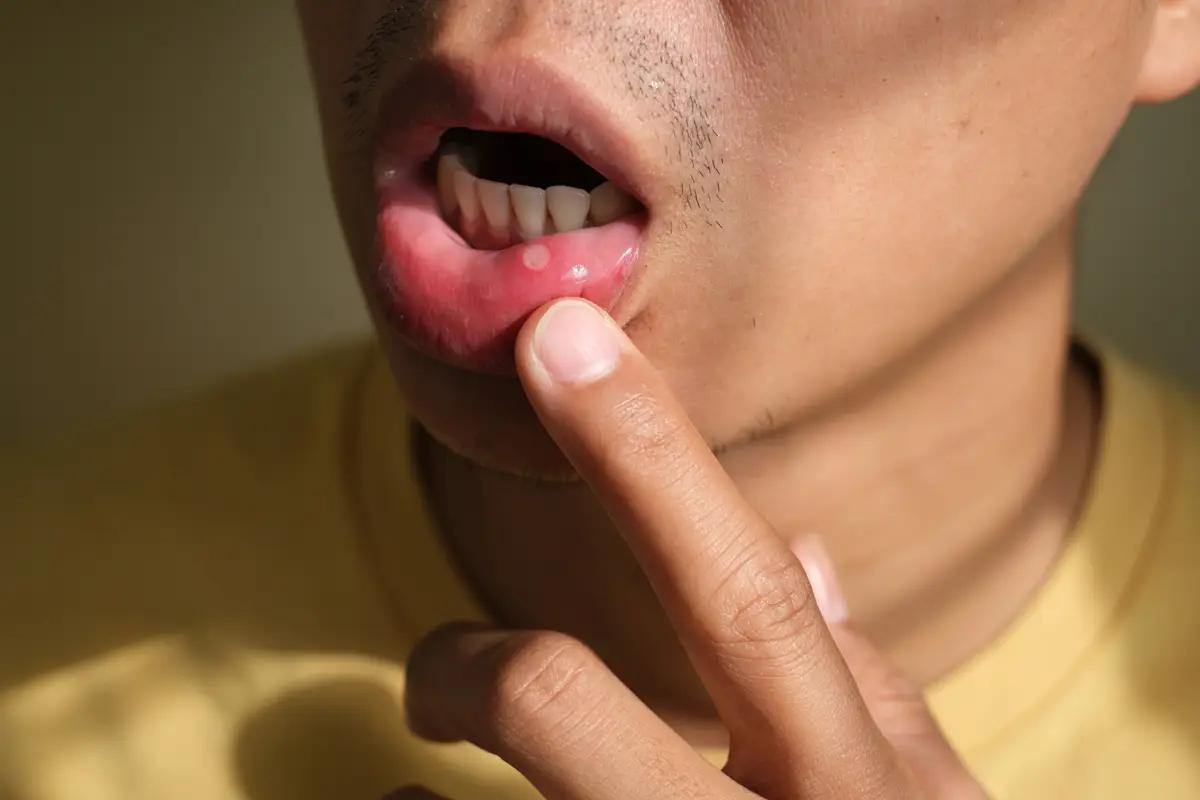
Are you tired of suffering from the pain and discomfort caused by mouth ulcers? From eating to speaking, these sores can make everyday activities a real challenge. But fear not! With our tips and tricks, you’ll be able to say goodbye to those painful blisters.
There are many different causes of mouth ulcers, and often, the exact cause is unknown. However, some common triggers can lead to mouth ulcers, such as:
Hormonal changes (particularly in women).
Injury from biting or chewing the inside of the mouth.
Toothpaste or mouthwash containing sodium lauryl sulfate.
Nutrient deficiencies: Iron, folate, and vitamin B12 deficiencies are linked to an increased risk of mouth ulcers.
Bacterial infection: A bacterial infection called Helicobacter pylori can cause stomach ulcers, which can in turn trigger mouth ulcers.
Autoimmune diseases such as Crohn’s disease or Behcet’s disease.
Certain medications (such as aspirin, ibuprofen, or other NSAIDs)- Some medications, such as those used to treat arthritis or cancer, can increase the risk of developing mouth ulcers.
Stress or emotional factors.
Allergies to certain foods.
Stress: Both physical and emotional stress can trigger mouth ulcers.
Braces or dentures: Braces and dentures that don’t fit properly can cause irritation and lead to mouth ulcers.
Dry mouth: A lack of saliva can lead to a dry mouth, which can then lead to mouth ulcers.
Poor oral hygiene: If you don’t brush and floss your teeth regularly, you’re more likely to develop mouth ulcers.
If you have a mouth ulcer, you may experience the following symptoms:
If you have a mouth ulcer, you may be wondering how to treat it. By fixing the cause of mouth ulcers, the problem can be solved. However, there are a few things you can do at home to help relieve the pain and discomfort of a mouth ulcer.
First, rinse your mouth with warm salt water. This will help to clean the area and reduce inflammation. Try to use the home remedy (ies) mentioned below. Be sure to avoid any foods that are acidic or spicy, as these can irritate the ulcer and make the pain worse.
If the pain is severe, you can take over-the-counter pain medication. You should also see your dentist or doctor if the ulcer does not heal within a week or if it is accompanied by other symptoms such as fever or swollen lymph nodes.
Mouth ulcers can be painful and cause a great deal of discomfort. However, with proper care and treatment, most mouth ulcers will heal on their own within a few days or weeks. In the meantime, it is important to take steps to reduce pain and inflammation associated with mouth ulcers by avoiding acidic foods, drinking plenty of fluids, using topical treatments such as antiseptic gels and creams, avoiding spicy food and drinks, getting enough restful sleep each night, reducing stress levels and eating a well-balanced diet. By following these tips on how to treat mouth ulcers you can help ensure that your condition resolves quickly without any further complications.